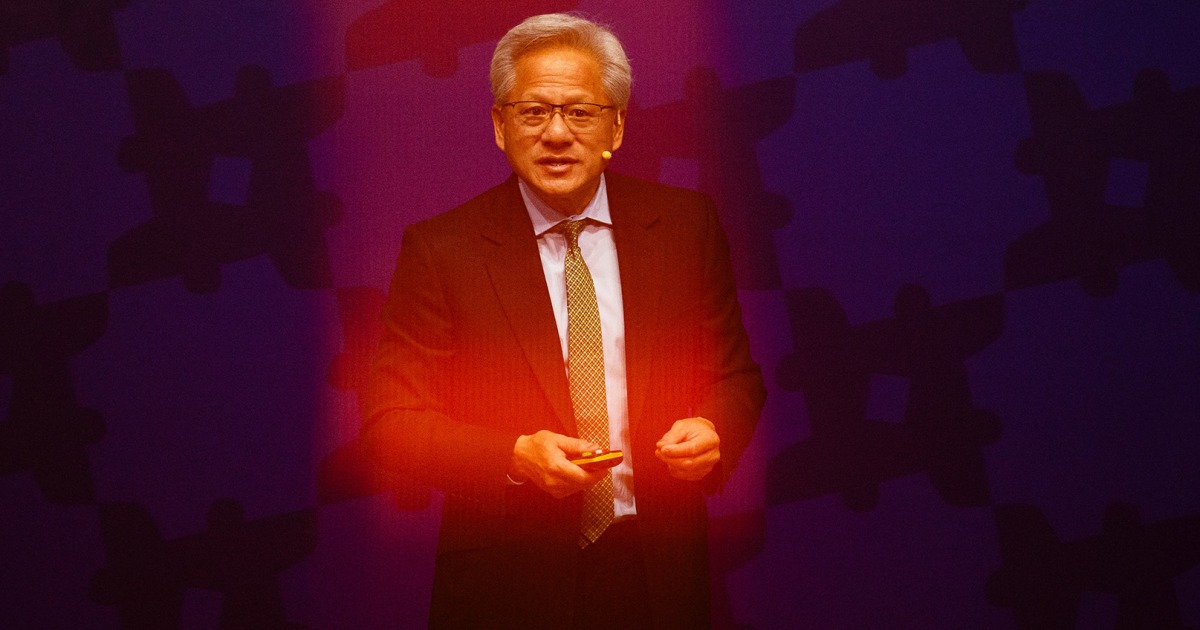
Nvidia opens investigation after CEO Jensen Huang’s affair with alleged Chinese spy - NBC News
Nvidia opens investigation after CEO Jensen Huang’s affair with alleged Chinese spy NBC NewsWhat we know so far about Jensen Huang's affair with suspected Chinese spy BBCDemocrats Demand Answers on Trump’s A.I. Policy Amid Spy Plot The New York Times
Nvidia Intervened in US Probe of Megaspeed Chip Smuggling
Nvidia Corp.’s general counsel intervened in a US government probe of suspected smuggling of AI chips by Megaspeed International, questioning whether the Trump administration played a role in detaining an executive from the Singapore-based firm who’s now at the heart of a scandal threatening Jensen Huang.
Jensen Huang Drops Out As Speaker At ElevenLabs Event Day After Admitting To Affair With Alleged Chinese Spy
Nvidia CEO Jensen Huang is no longer speaking at the ElevenLabs Summit in New York this week, the voice AI startup has confirmed,... The post Jensen Huang Drops Out As Speaker At ElevenLabs Event Day After Admitting To Affair With Alleged Chinese Spy appeared first on OfficeChai.
Claude Fable 5.2 and Mythos 5.2 cement Anthropic's AI lead just before its IPO
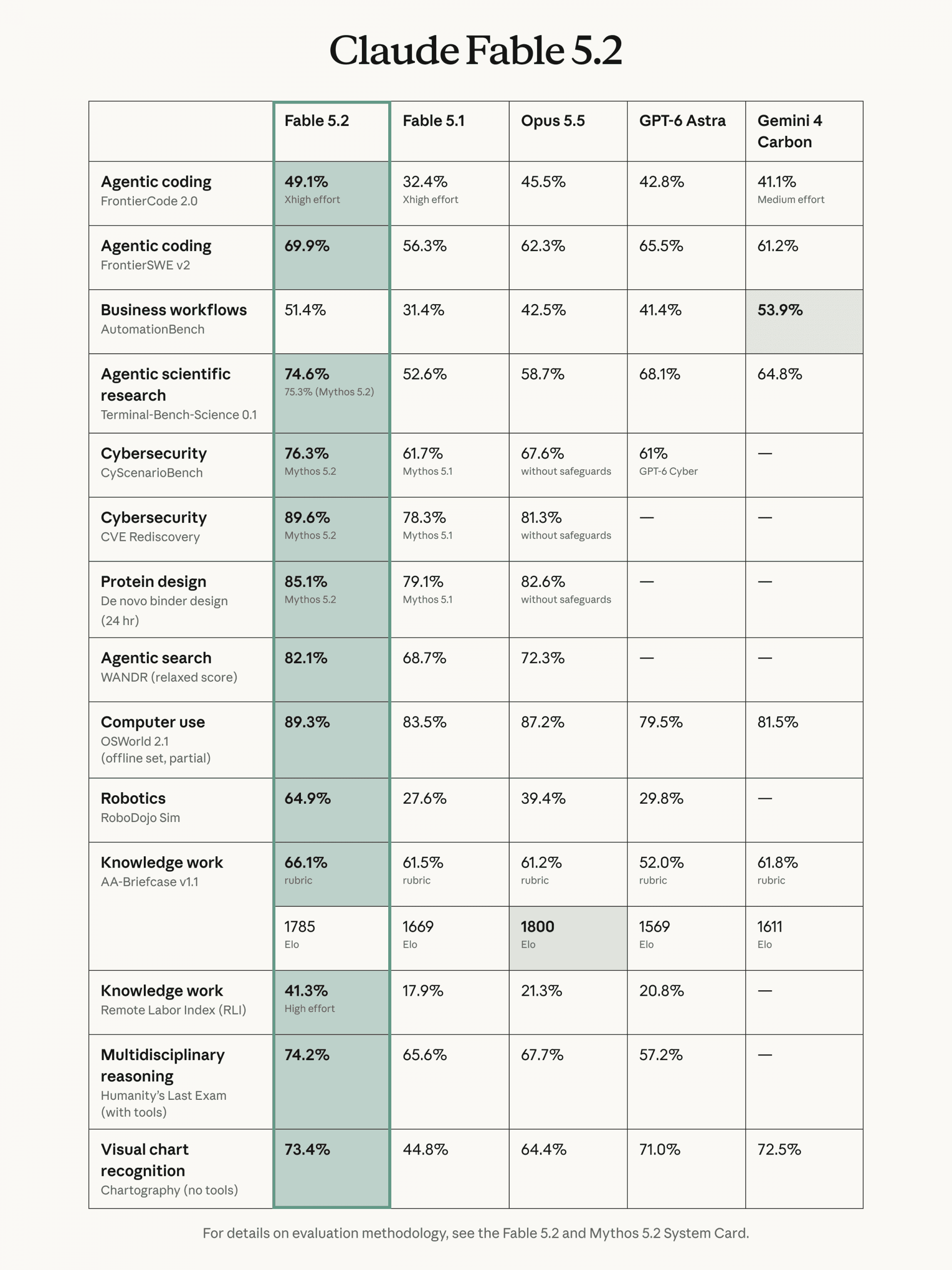
Anthropic is releasing Claude Fable 5.2 and Mythos 5.2, its most powerful models to date, in two versions: one freely available and one reserved for verified organizations. The models solve open physics problems, show stronger cybersecurity capabilities, design functioning operating systems, and write more than 90 percent of the changes merged into Anthropic's core code, according to the company. Anthropic says it has deliberately curbed any capabilities that would let the AI accelerate its own development. The article Claude Fable 5.2 and Mythos 5.2 cement Anthropic's AI lead just before its IPO appeared first on The Decoder.
Alphabet Inc.'s Google is rolling out new artificial intelligence chips, aiming to capitalize on its rapid ascent as a challenger to Nvidia Corp. Mandeep Singh of Bloomberg Intelligence has more. (Source: Bloomberg)
If Nvidia Corp. Chief Executive Officer Jensen Huang steps down or is fired for having an affair with an alleged Chinese spy, who could replace him? Mandeep Singh of Bloomberg Intelligence says there are not many options. He is on Bloomberg Businessweek. (Source: Bloomberg)
Nvidia-Backed Fireworks AI Notifies Customers of Its Second Hack in Weeks
Fireworks AI, a popular startup that helps companies run artificial intelligence models, notified customers on Monday of a security breach in which their data was accessed, its second known hack in a matter of weeks.
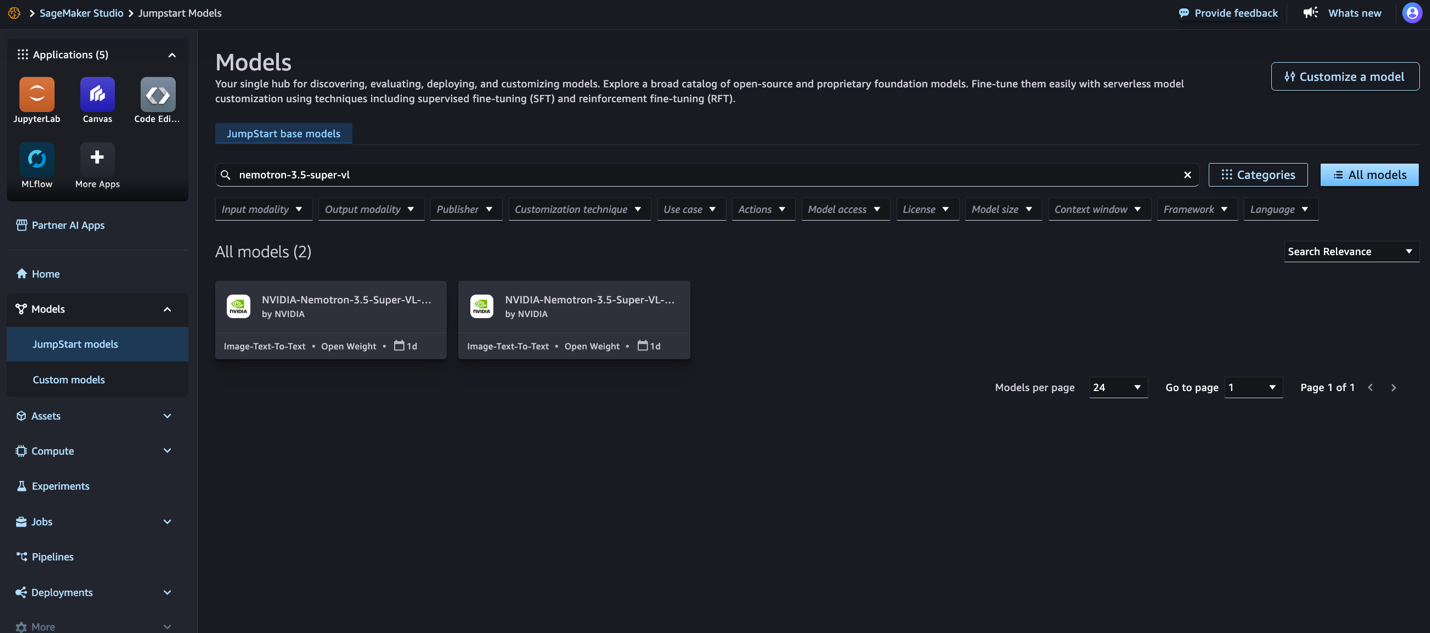
NVIDIA Nemotron 3.5 Super VL is now available in Amazon SageMaker JumpStart
NVIDIA Nemotron 3.5 Super VL, a 120B-parameter multimodal vision-language model, is now available in Amazon SageMaker JumpStart. Deploy the NVFP4 or BF16 variant in a few steps, then run text, image, and video inference for document intelligence, computer-use agents, and multimodal agentic workloads.
Anthropic Jumps To Top Of Artificial Analysis Intelligence Index With Fable 5.2, Beats Gemini 4 Carbon By 5 Points
Anthropic has taken back the top spot on the Artificial Analysis Intelligence Index. Anthropic’s newly-released Claude Fable 5.2 scores 65 on the index... The post Anthropic Jumps To Top Of Artificial Analysis Intelligence Index With Fable 5.2, Beats Gemini 4 Carbon By 5 Points appeared first on OfficeChai.
Anthropic Rewards Loyal Users By Giving Them More Resets If They’ve Been Subscribed For Longer
Usage-limit resets have become one of the more unusual weapons in the AI coding wars, and Anthropic has just given them a new... The post Anthropic Rewards Loyal Users By Giving Them More Resets If They’ve Been Subscribed For Longer appeared first on OfficeChai.
Meta launches Muse Ember, a small AI model built for the repetitive work agents actually do
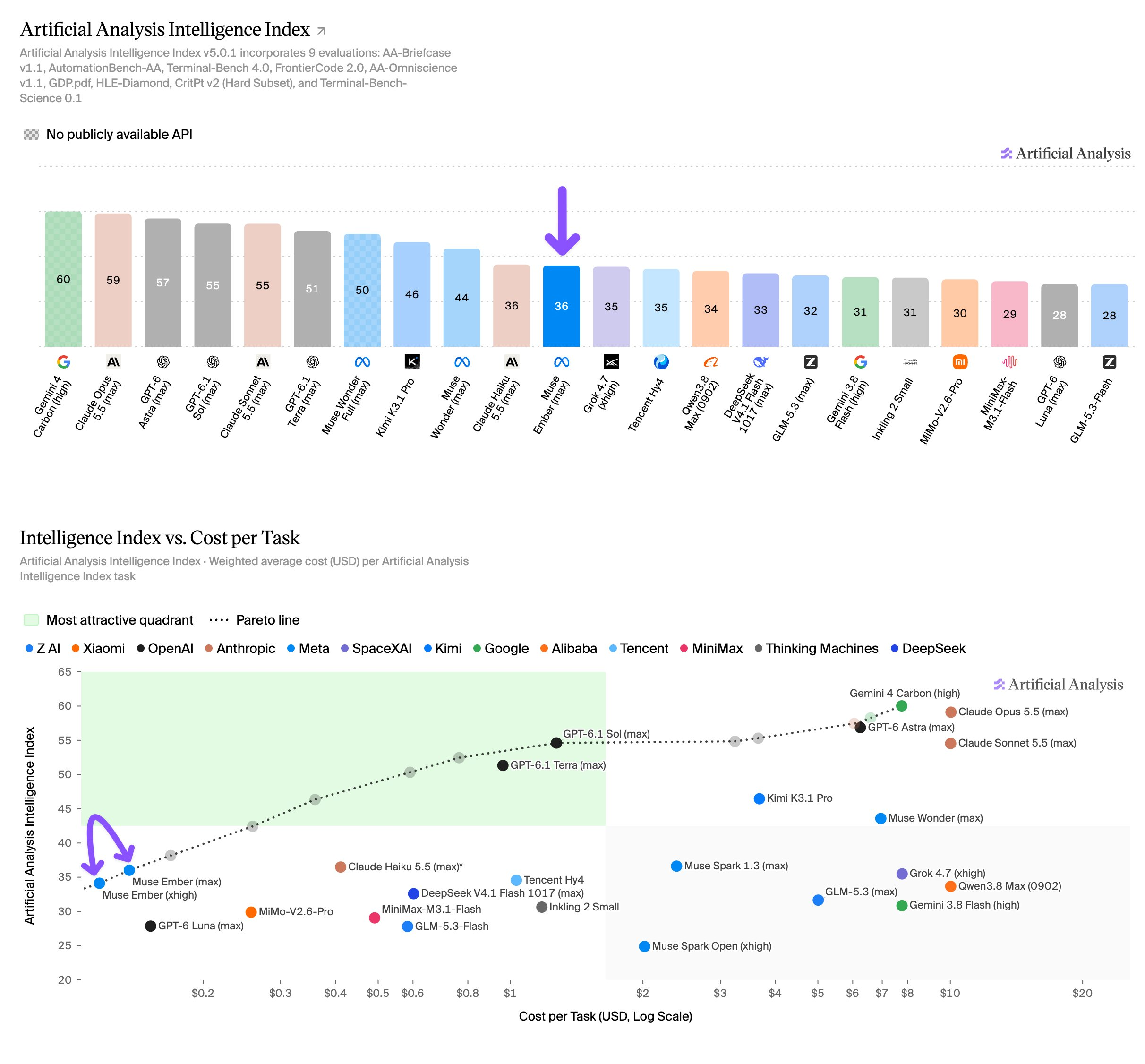
Meta is introducing Muse Ember, its smallest and most efficient AI model, optimized for repetitive agent tasks such as tool calls, routing, and data extraction. According to Meta, it delivers more intelligence per dollar than Claude Haiku 5.5 or GPT-6 Luna. But it falls short when it comes to actual programming tasks. The article Meta launches Muse Ember, a small AI model built for the repetitive work agents actually do appeared first on The Decoder.
Anthropic Launches Fable 5.2 & Mythos 5.2, Beats Gemini 4 Carbon, GPT-6 Astra On Most Benchmarks
Frontier AI models are continuing to be released at a scorching pace. Anthropic has released Claude Fable 5.2 and Claude Mythos 5.2, two... The post Anthropic Launches Fable 5.2 & Mythos 5.2, Beats Gemini 4 Carbon, GPT-6 Astra On Most Benchmarks appeared first on OfficeChai.
Make a Robot Arm Feel Weightless with NVIDIA Holoscan 5
Picture guiding a robot arm by hand while its motors supply just enough torque to support its weight and keep the robot upright. This simple interaction, a...
Anthropic launches Fable 5.2 with a price cut and stronger coding scores
On Monday, Anthropic launched Claude Fable 5.2 and Mythos 5.2, the latest versions of its duo of flagship models. Like before, The post Anthropic launches Fable 5.2 with a price cut and stronger coding scores appeared first on The New Stack.
Anthropic Unveils New Fable, Mythos AI Models Ahead of IPO
Anthropic PBC has unveiled new versions of its powerful Mythos and Fable artificial intelligence models, an effort to bolster the company’s position as a leader in AI development on the eve of its long-awaited Wall Street debut.
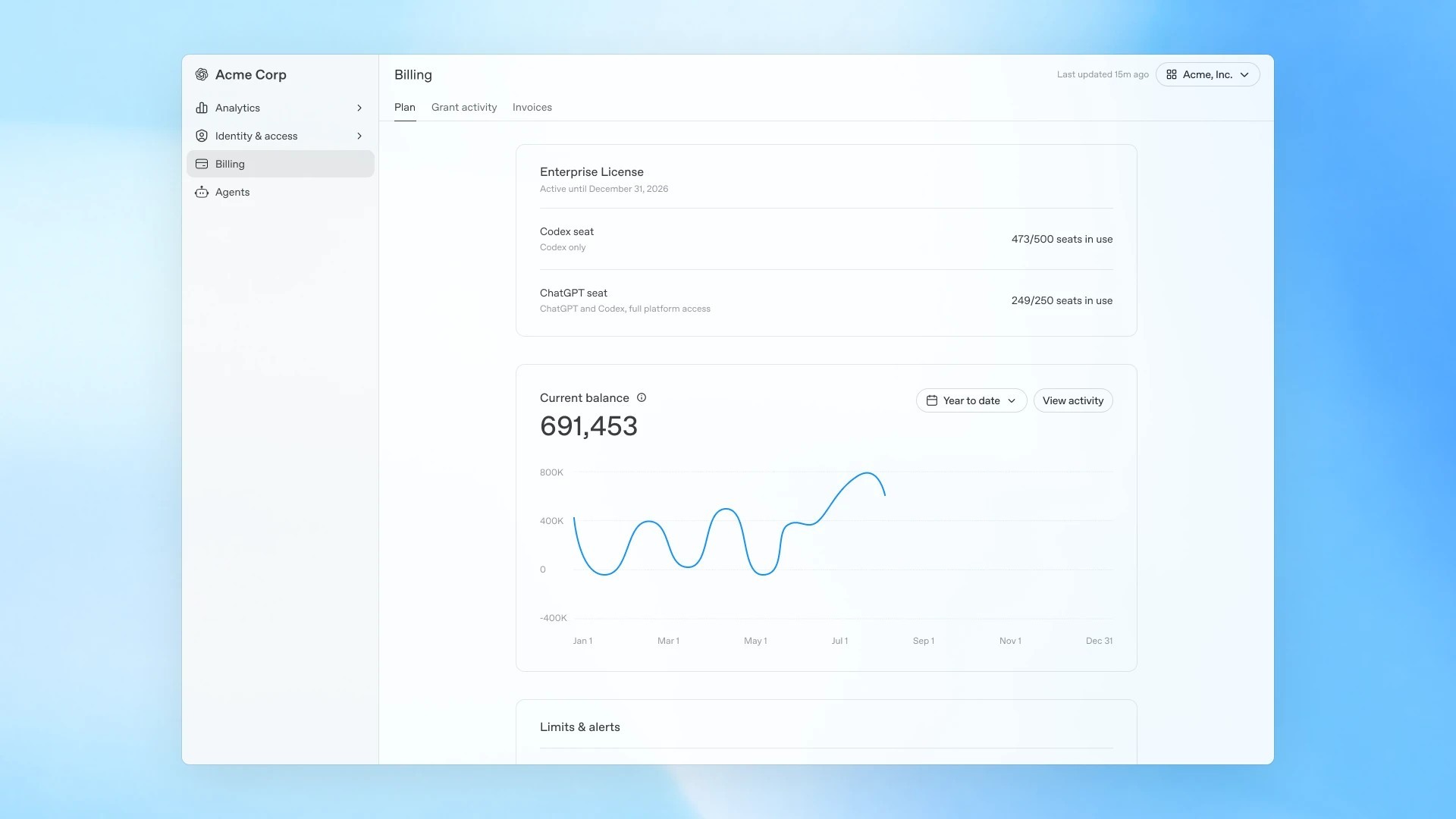
ChatGPT Enterprise now available in AWS Marketplace
ChatGPT Enterprise is now available through AWS Marketplace, helping organizations simplify procurement through existing AWS purchasing and billing relationships.
Meta’s Muse Ember Matches Claude Haiku 5.5 On Artificial Analysis Intelligence Index At One-Third Of The Price
Meta has a popular AI agent in Muse, and it now has a model that can power it for long hours at cheap... The post Meta’s Muse Ember Matches Claude Haiku 5.5 On Artificial Analysis Intelligence Index At One-Third Of The Price appeared first on OfficeChai.
Menlo: Agents Now Drive 80% of Enterprise AI Usage
Enterprise AI spending has surged to $177 billion, up from $33 billion in 2025, according to Menlo Ventures’ latest State of Enterprise AI report. Partner Deedy Das says AI agents now account for 80% of usage, as businesses move beyond chatbots toward systems capable of completing complex tasks autonomously. He also discusses the dominance of Anthropic and OpenAI in enterprise API spending. He joins Carol Massar on "Bloomberg Tech." (Source: Bloomberg)
Nvidia Investor: Governance Now Part of the Valuation
Wealth Enhancement CIO Doug Huber says the fundamental investment case for Nvidia hasn’t changed, but the investigation surrounding CEO Jensen Huang is putting leadership, succession and corporate governance more firmly into the valuation debate. He joins Carol Massar on "Bloomberg Tech." (Source: Bloomberg)
Meta Releases Muse Ember, Beats Claude Haiku 5.5 & GPT-6 Luna On Benchmarks
Meta has released Muse Ember, the smallest and most efficient model in its Muse family, and it’s pitching it as the cheapest way... The post Meta Releases Muse Ember, Beats Claude Haiku 5.5 & GPT-6 Luna On Benchmarks appeared first on OfficeChai.
Bloomberg’s Carol Massar goes all in on Nvidia's investigation into CEO Jensen Huang after his affair with an alleged Chinese spy, and how the scandal is becoming a Washington national security issue putting the US-China battle over AI chips back in the spotlight. Plus, Menlo Ventures is out with a new report on the state of enterprise AI. (Source: Bloomberg)
Nvidia CEO Probe Prompts Investor Questions, Scrutiny
Shares of Nvidia slumped after Chief Executive Officer Jensen Huang admitted to having an extramarital affair with Alice Huang, a woman identified as a suspected Chinese spy. Wall Street experts react on Bloomberg Television. (Source: Bloomberg)
Google claims its new AI software cuts inference latency by over 90% — but there’s a catch
Google’s eighth-generation TPU announcement on Monday included more than new chips, introducing TPU Sync, an open-source system designed to speed The post Google claims its new AI software cuts inference latency by over 90% — but there’s a catch appeared first on The New Stack.
Cursor and Google join OpenAI in giving coding agents a voice. Claude Code stays silent.
Two of the biggest players in the AI coding space are betting that developers want to talk to their agents The post Cursor and Google join OpenAI in giving coding agents a voice. Claude Code stays silent. appeared first on The New Stack.
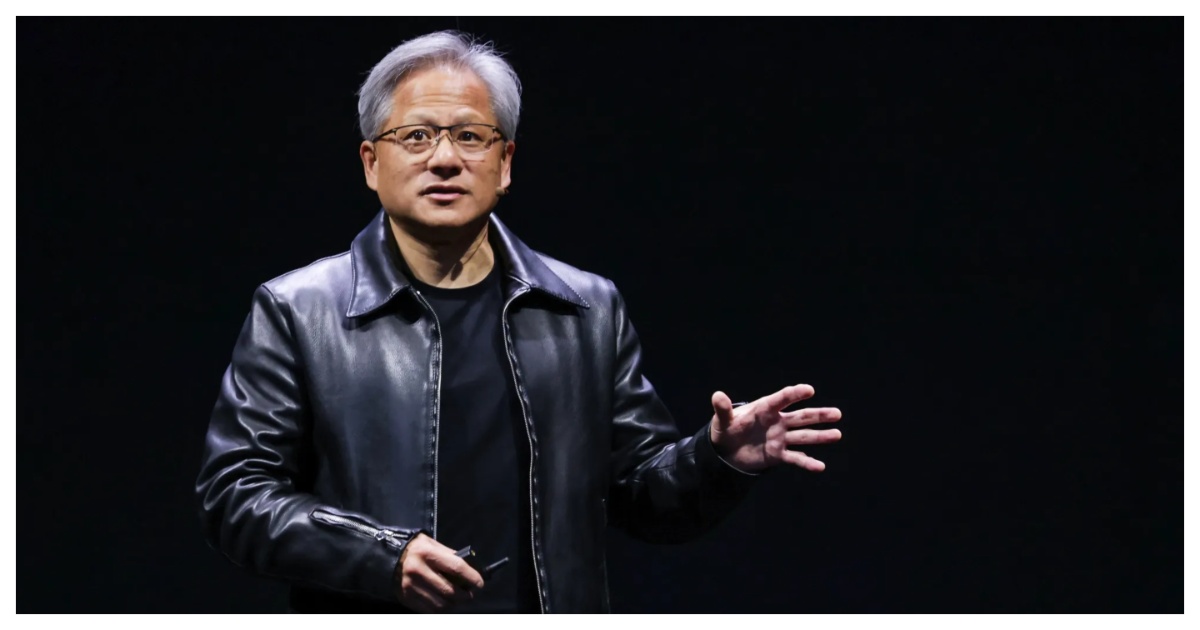
Jensen Huang’s affair with alleged Chinese spy puts Nvidia’s China ambitions under scrutiny
Jensen Huang’s alleged affair with a suspected Chinese spy threatens to complicate Nvidia’s lobbying efforts to loosen U.S. chip export restrictions and maintain access to China’s lucrative AI market.
Meta launches Muse Ember to take on Claude Haiku and GPT-6 Luna
Meta on Monday debuted Muse Ember, a smaller, more efficient multimodal member of its Muse model family. The company is The post Meta launches Muse Ember to take on Claude Haiku and GPT-6 Luna appeared first on The New Stack.
Nvidia Fallout as CEO Faces National Security Scrutiny
Get a jump start on the US trading day with Dani Burger on "Bloomberg Open Interest." Nvidia CEO Jensen Huang is facing new scrutiny after acknowledging an affair involving an alleged Chinese spy. We break down what the controversy could mean for Nvidia, US and China tensions, the AI trade and Washington oversight, with Admiral James Stavridis and former NSC official Chris McGuire. Plus SharkNinja CEO Mark Barrocas joins us on tariffs, holiday pricing and the rise of AI-powered shopping. (Source: Bloomberg)
Nvidia Spying Probe Raises Thorny Questions For Its Rockstar CEO
Nvidia's probe into Jensen Huang's affair with an alleged Chinese spy is a humbling moment for one of Silicon Valley’s biggest celebrities. Bloomberg's Tom Mackenzie explains why it matters to the entire AI industry. (Source: Bloomberg)
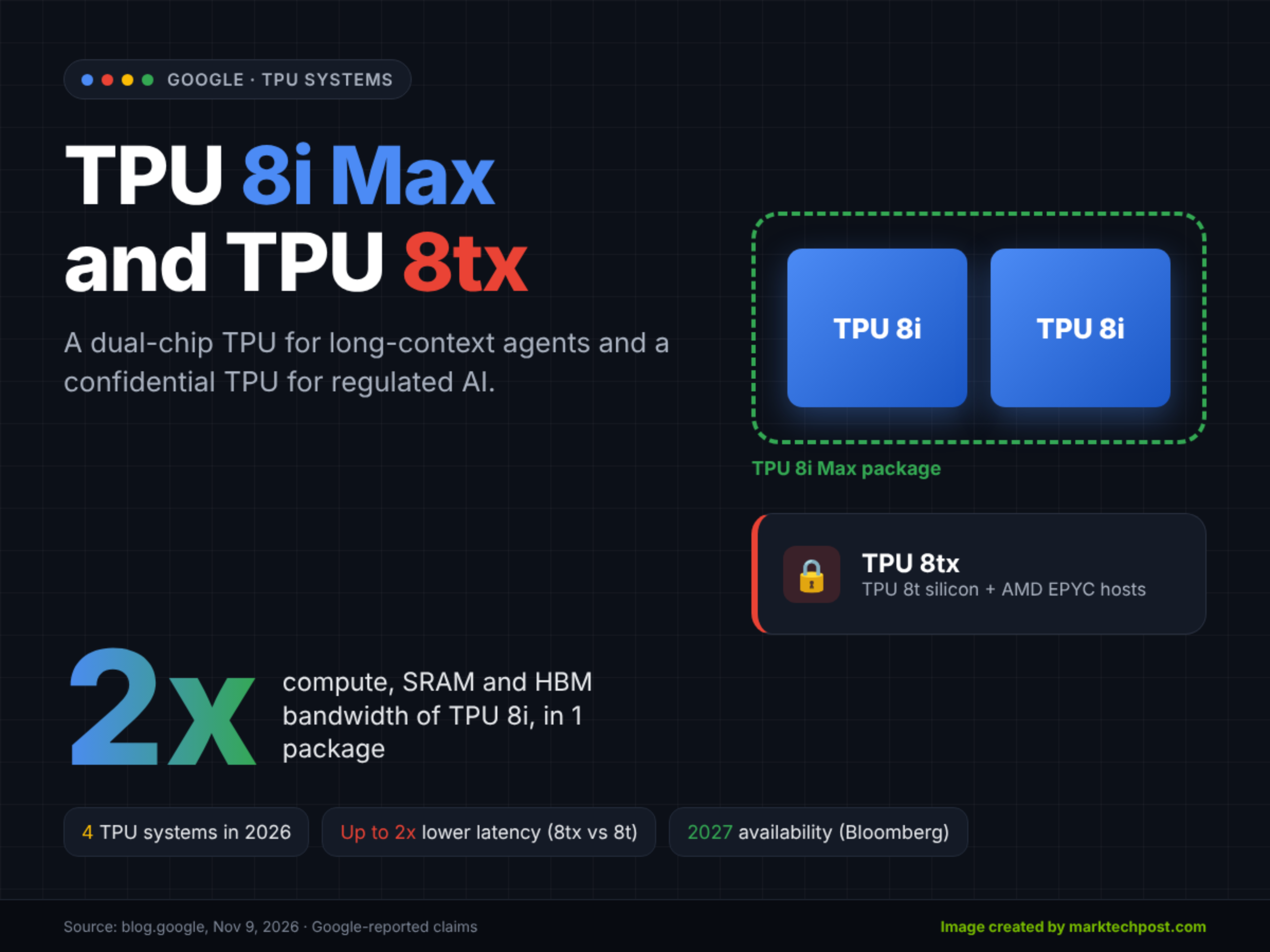
Google Unveils TPU 8i Max and TPU 8tx: A Dual-Chip TPU and a Confidential TPU
Google added TPU 8i Max and TPU 8tx to its eighth-generation TPU lineup. TPU 8i Max packs 2 TPU 8i chips per package for long-context agents. TPU 8tx adds hardware confidential inference. Bloomberg reports 2027 availability. The post Google Unveils TPU 8i Max and TPU 8tx: A Dual-Chip TPU and a Confidential TPU appeared first on MarkTechPost.
Nancy Tengler, Laffer Tengler Investments CEO and CIO, says she is surprised that Nvidia's stock isn't trading much lower after Jensen Huang admitted to having an extramarital affair. Tengler says she believes Huang will survived the scandal and hold onto his post. She speaks on "Bloomberg Tech." (Source: Bloomberg)
New survey finds enterprises trapped between legacy software and AI modernization
Throughout my career in cybersecurity and infrastructure protection — both in government and now at Google Cloud — I have consistently seen that friction between new and existing technology is often a barrier to progress. A new piece of software or service may work wonderfully on its own but then it’s placed within a complex, interconnected IT environment and lost in the operational inertia.Today, enterprise technology is experiencing a historic transformation. Organizations globally are moving beyond integrating AI and LLMs, and are now utilizing AI to power autonomous, agentic workflows. Nearly 90% of the Fortune 100 are already using Gemini Enterprise to build, scale and govern agents. But as AI systems begin to plan, execute multi-step processes, and work alongside human teams, leaders are confronting this same tension between cutting-edge and legacy technology.To understand how existing technology environments shape an organization’s ability to operationalize AI, Google Cloud partnered with Hypothesis Group to survey 1,250 enterprise IT and business decision-makers across the United States. The findings reveal a critical paradox: the legacy software systems enterprises rely on to deliver technology to their employees are simultaneously functioning as an innovation tax, actively holding back the AI transformation leaders are trying to achieve. Legacy IT’s operational tollIn our study, we defined “legacy” technology as software running locally on computers and servers rather than natively in the cloud. Across industries, decision-makers report that maintaining this footprint exerts a constant friction on their AI ambitions.The consequences to AI are not theoretical. Nearly half (49%) of respondents report that relying on on-premises software has actively delayed, reduced in scope, paused or canceled AI or other technology initiatives.Digging deeper, routine patch application and maintenance emerged as a primary operational bottleneck. As AI-enabled vulnerability discovery accelerates, the rate at which flaws are surfaced in legacy codebases has outpaced what human security teams can realistically address.This creates a zero-sum game between routine maintenance of legacy systems and AI modernization. Instead of directing engineer cycles toward AI modernization, IT teams are spending their time and resources on maintaining legacy systems. Enterprise monoculture Why do organizations continue to rely on legacy environments that constrain their modernization? As our research shows, it is not necessarily architectural preference — but the result of vendor lock-in. Beyond narrowing technology choice, deep provider dependence introduces commercial constraints. In our study, 39% of decision-makers report that reliance on legacy software and cloud providers forces them to navigate complex licensing rules or contracts, or limited negotiating flexibility. Even more concerning is the systemic operational risk created by single-vendor concentration. Concentrating operating systems, productivity applications, cloud hosting and emerging AI models within a single vendor's monoculture creates an immense single point of failure. An autonomous AI agent is only as secure as the operating system and network it traverses. When that underlying stack is vulnerable, organizations are not deploying resilient intelligence; they are expanding their attack surface. Customer choiceThe solution to vendor lock-in is straightforward: enterprise buyers and policymakers must ensure organizations have genuine choice and interoperability in their software, cloud and AI architectures.Furthermore, 80% of leaders agree that a provider’s installed base should not determine which AI technology an organization uses, while 78% believe that the providers who led the previous era of enterprise technology may not be best positioned to lead the AI era. Organizations want the freedom to choose best-of-breed intelligence on its own merits, rather than accepting bundled defaults tied to legacy desktop software. Accelerate agentic this level of autonomous agility across the enterprise requires modern technology built to support the agentic era. Here are a few ideas to get there:Demand architectural and provider choice: AI and cloud must never be held hostage by the legacy software running local servers, email or desktop operating systems. Organizations need the commercial and architectural freedom to select best-of-breed IT on its own merits.Commit to secure-by-design foundations: The industry must move past the broken cycle of releasing insecure software and patching it after the fact. Software manufacturers must engineer durable, resilient architectures where entire vulnerability classes are eliminated before code ever ships — relieving understaffed IT teams from perpetual applying routine but necessary patches.Deploy AI-driven defense to remediate legacy debt: For the millions of lines of vulnerable legacy software already running in production, organizations must shift from manual triage to proactive, AI-assisted defense. By deploying platforms like Security Command Center and Mandiant threat analytics, teams can use intelligence to continuously surface active exploit paths, prioritize critical exposure and automate remediation across complex, hybrid environments.The promise of agentic AI is to help automate friction away, and accelerate human ingenuity. But that future cannot be built on top of software designed decades ago. As IT leaders plan their roadmaps, it is time to ask: Is your technology foundation accelerating your future, or are you paying a maintenance tax just to keep the past running?Learn more about the research here.