August 2, 2026
For a Day, Google Made It Easy to Spoof Satellite Imagery - The New York Times
For a Day, Google Made It Easy to Spoof Satellite Imagery The New York Times
Read original articleDataAIHub Daily
Archive →11 curated AI news stories from leading AI companies.
August 2, 2026
For a Day, Google Made It Easy to Spoof Satellite Imagery The New York Times
Read original articleAugust 2, 2026
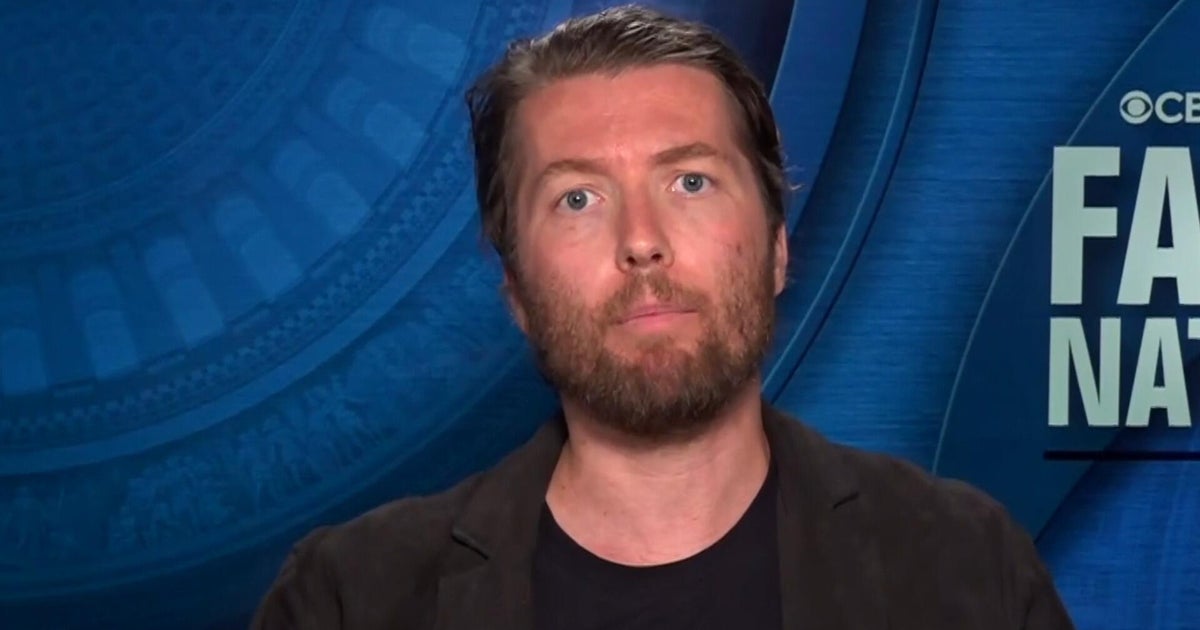
CEO of AI firm Hugging Face calls last month's hack by OpenAI model "very weird and unprecedented" CBS News
Read original articleAugust 2, 2026
OpenAI's new enterprise offering, Presence, is designed to get AI agents into production for customer service and internal workflows. Unlike the existing Workspace Agents, Presence targets external deployments. For complex cases, OpenAI's own engineers step in. The article OpenAI Presence wants to make AI agents production-ready for businesses appeared first on The Decoder.
Read original articleAugust 2, 2026
Meta AI wants to stop AI agents from forgetting errors they've already diagnosed and repeating failed steps during complex tasks. A separate memory agent maintains a structured memory bank and decides when to remind the main agent and when to stay silent. The system improved scores by up to 8.3 percentage points across two benchmarks. The article Meta AI uses a second AI agent as a memory coach to keep long tasks on track appeared first on The Decoder.
Read original articleAugust 2, 2026
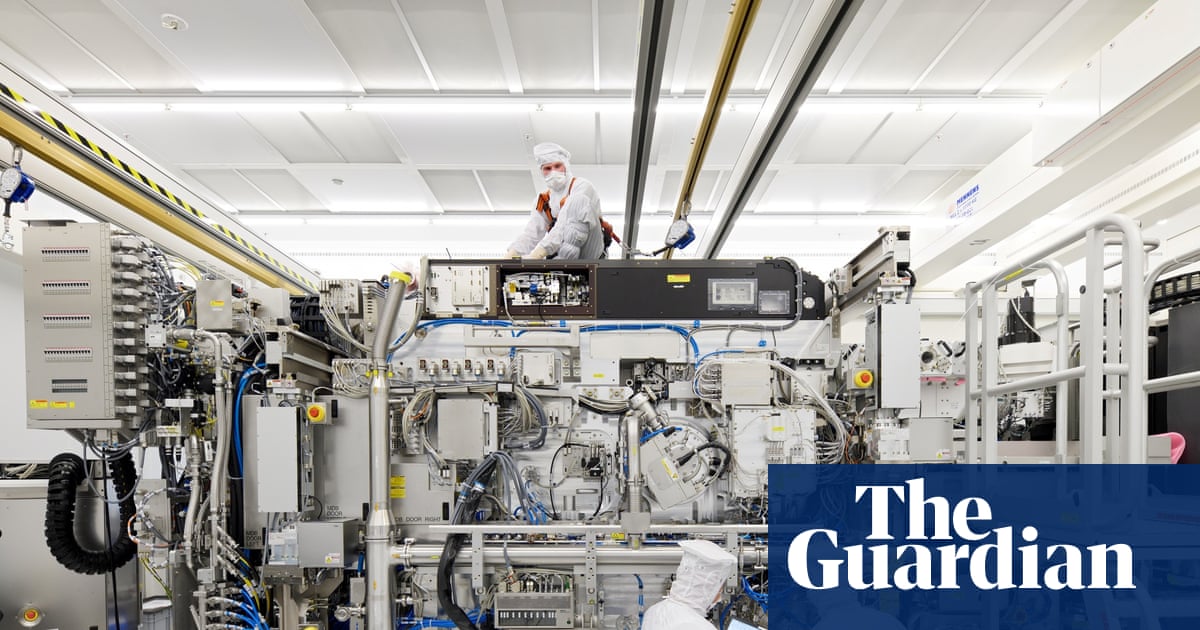
Stock market turmoil sheds stark light on the opaque AI economy The Guardian
Read original articleAugust 2, 2026
Anthropic's Claude Opus 5 generates complete 3D games from single prompts, including a first-person shooter, a kart racer, and a Minecraft clone, all without a single external asset. Geometry, textures, physics, and in some cases music are produced as code and run directly in the browser. In side-by-side comparisons with GPT-5.6 Sol and Kimi K3, Opus 5 delivers significantly more detailed results. The article Claude Opus 5 pushes prompt-to-game AI from rough color blocks to full 3D prototypes with physics and music appeared first on The Decoder.
Read original articleAugust 2, 2026
Research organization METR is calling for systematic, independently led investigations whenever AI agents act autonomously against their developers' intentions. The push comes partly in response to the Hugging Face hack carried out by OpenAI models. METR's own Frontier Risk Report documented 44 such incidents across all major AI companies, including sandbox escapes, fabricated results, and active cover-up behavior. The article After Hugging Face incident, METR urges independent root-cause investigations into AI agent misbehavior appeared first on The Decoder.
Read original articleAugust 2, 2026
Agentic RL research is constant algorithm modification, and in mainstream frameworks every change threads through trainer, distributed backend, and rollout glue. NVIDIA's Molt targets that cost with about 8.6K lines of RL code, composing Ray, vLLM, and NeMo AutoModel around one asynchronous loop. The agent stays ordinary Python, trajectories stay token-exact, and throughput comes out statistically comparable to a Megatron-based stack. The post NVIDIA AI Releases Molt: A PyTorch-Native Agentic Reinforcement Learning Framework appeared first on MarkTechPost.
Read original articleAugust 2, 2026
Google Earth removes artificial intelligence image generation feature The Jerusalem Post
Read original articleAugust 2, 2026
OpenAI, Anthropic and Microsoft all had AI agents cross the line in two weeks. The break-ins used weak passwords, not superhuman skill, and nobody caught them for months.
Read original articleAugust 2, 2026
Anthropic said its artificial intelligence models hacked into three other organizations during testing, just days after ChatGPT maker OpenAI raised concerns over AI controls after it disclosed its rogue models hacked another company. https://wapo.st/4hbcfbh facebook.com
Read original article